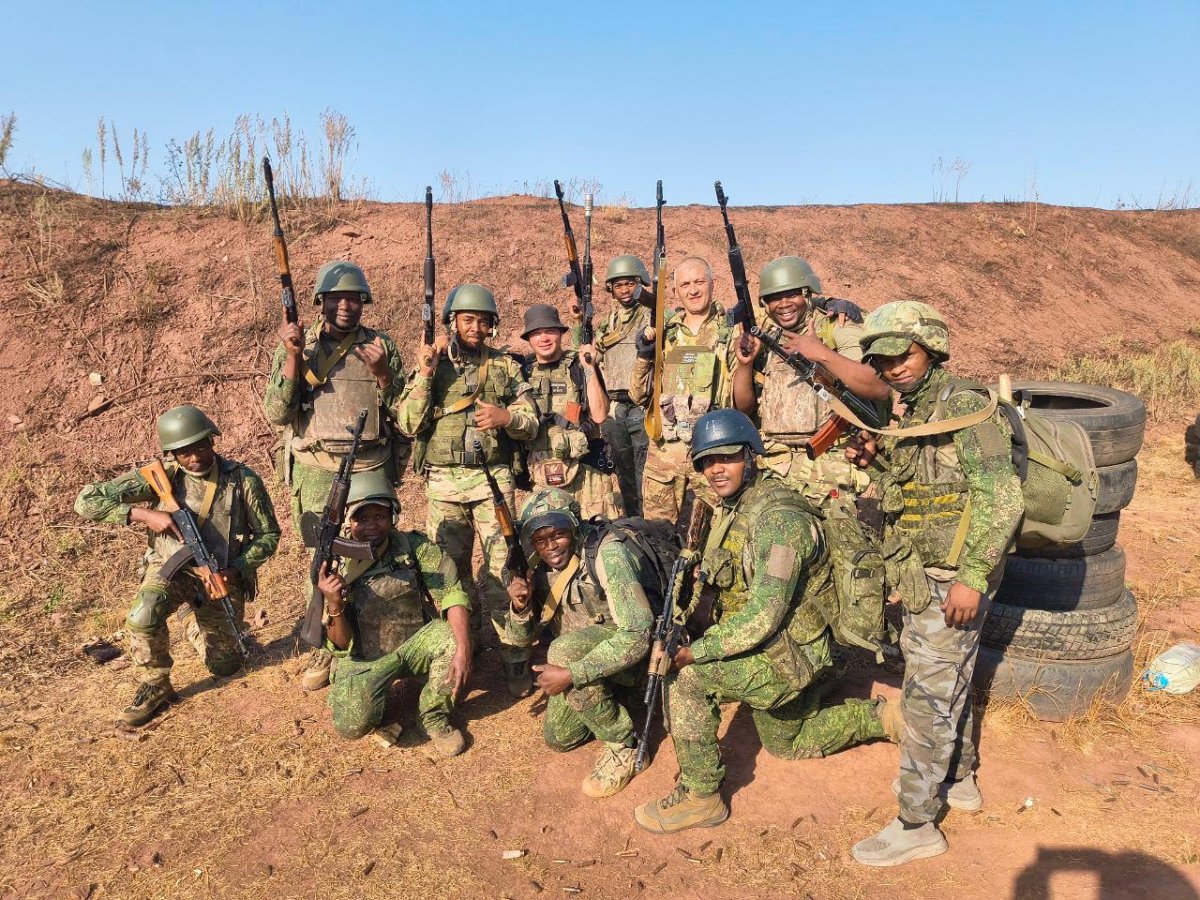
The harrowing repatriation of young Africans from the scorched plains of Ukraine has unveiled a chilling new dimension of "hidden costs," where the promise of lucrative civilian labor in Russia as drivers, security guards, or students morphed into a nightmare of involuntary conscription and "cannon fodder" survival. From the nearly 1,000 Kenyans snared by clandestine networks to the hundreds of recruits from Ghana, Nigeria, South Africa, Cameroon, and Egypt, these survivors return to fragile landscapes not just with physical scars, but with a volatile arsenal of advanced drone proficiency, coordinated battlefield tactics, and profound psychological trauma. This influx of battle-hardened, unemployed, and often unsupported veterans creates a ticking socio-political time bomb; as they navigate a "living hell" of PTSD and economic desperation, their specialized military expertise becomes a dangerous commodity for criminal syndicates, private militias, and extremist groups looking to exploit their disillusionment. With over 316 confirmed deaths among the thousands documented across 35 African nations, the crisis transcends a mere labor scam, evolving into a transnational security threat where the sophisticated conditioning of a foreign war risks fueling a new era of regional instability across the African continent.




Commentaires (0)
Laissez un commentaire
Soyez le premier à commenter cet article.